
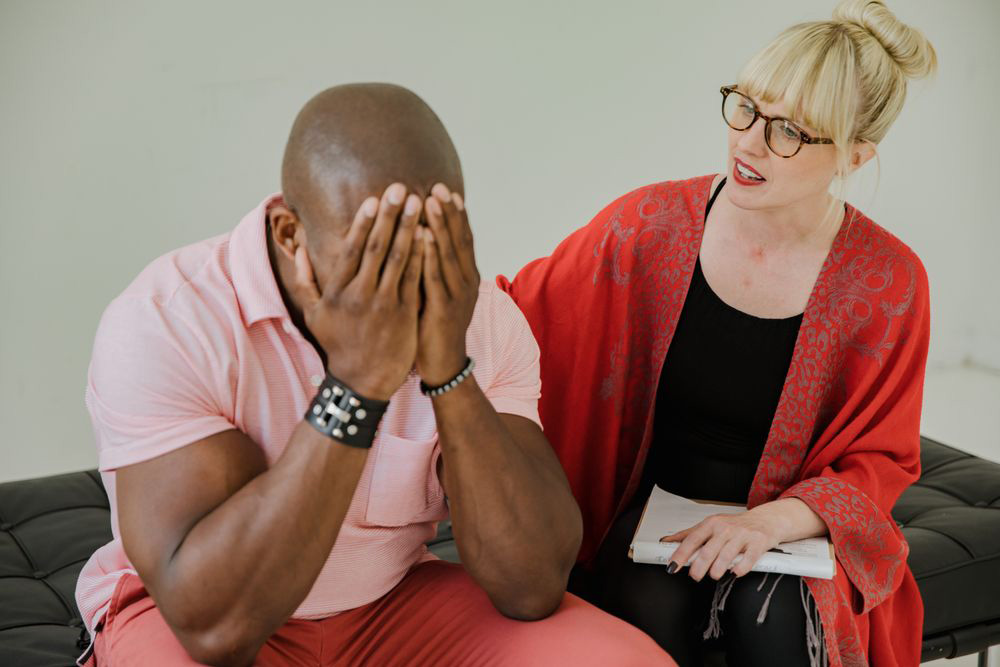
Vulnerability is unfamiliar territory for many men. Phrases like “man up” and “handle it yourself” reinforce the message that openness is a sign of weakness. But the truth is that showing your emotions, asking for help, and acknowledging your mistakes takes tremendous courage.
It is an act of resilience and emotional maturity to admit when you’re struggling instead of presenting the façade that everything is fine. That’s why vulnerability isn’t an obstacle to recovery – it’s one of the most powerful tools for achieving it.
Why Men Learn to Hide Their Feelings
None of us are born believing we must suppress our emotions. We learn to do so over time. Whether through family dynamics, cultural expectations, or personal experiences, many men grow up hearing that they should be self-sufficient, stoic, and unshakable under pressure.
While resilience is an admirable quality, emotional displacement is something entirely different.
When men aren’t comfortable expressing emotions like fear, sadness, disappointment, loneliness, or shame, they often choose a different target. The problem is that those feelings don’t disappear – they merely go underground, resulting in issues like chronic stress, anxiety, depression, and substance abuse. Paradoxically, the effort to avoid appearing vulnerable often creates more of the same pain you want to escape.
Vulnerability Is Critical in Recovery
Healthy vulnerability is a form of emotional sobriety. It means being honest about your experiences, challenges, and needs with people who have earned your trust.
Nobody has all the answers. Admitting when you’re struggling with situations you don’t know how to handle involves uncertainty, but it also creates the kinds of genuine connections you can’t achieve from behind emotional walls.
Many men spend years hiding their substance use, minimizing problems, or convincing themselves they can manage everything alone. Recovery asks you to take the opposite path by making amends to people you hurt and acknowledging your emotions instead of numbing them. Remember, you can’t heal the parts of yourself you’re unwilling to acknowledge.
Brotherhood Creates a Safe Place to Be Honest
For many men, treatment is the first time they’ve experienced authentic vulnerability. Instead of competing or hiding behind bravado, they discover that everyone else in the room has struggled, too. That shared understanding creates an environment where honesty becomes easier.
Our men’s-only program fosters a brotherhood built on trust, accountability, and mutual respect. Men encourage one another to drop the mask, speak honestly, and support each other’s growth. In that environment, vulnerability stops feeling like weakness and starts becoming a source of strength.
The goal of recovery isn’t to prove how tough you are. It’s to become honest enough to face yourself with compassion, humility, and determination. Every time you choose vulnerability over avoidance, connection over isolation, and honesty over denial, you build the foundation for lasting recovery.
Stop hiding your struggles. Instead, be willing to confront them, then watch yourself grow. Reach out today to learn more.